


Missing teeth can affect more than the appearance of your smile. You may find yourself avoiding certain foods, feeling less comfortable speaking, or wishing you could smile with more confidence. Fortunately, modern tooth replacement options can help you feel more like yourself again.
At State Street Dental, we offer personalized restorative dentistry to help patients explore solutions for missing teeth. Dental implants are considered a permanent, gold-standard solution, replacing missing teeth with a stable, natural-looking restoration. Our Boise dental team will take time to understand your needs, evaluate your oral health, and help you decide whether dental implants are the right choice for your smile.
What Are Dental Implants?
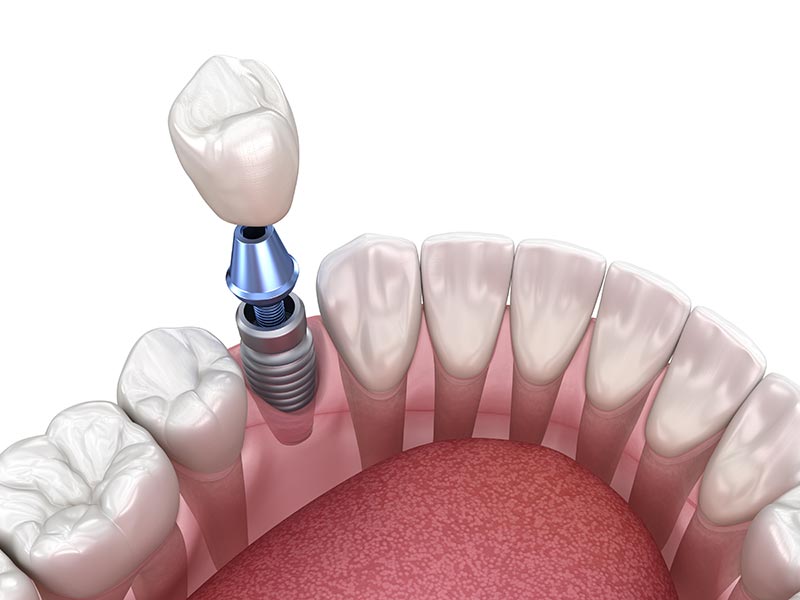 Dental implants are small posts, typically made of titanium, that are placed in the jawbone to act as artificial tooth roots. Once the implant integrates with the surrounding bone, it can support a custom replacement tooth or other dental restoration.
Because implants are anchored in the jawbone, they offer a stable foundation for replacing missing teeth. Depending on your needs, dental implants may support:
- Single dental crowns. Replace one missing tooth with an individual restoration that blends with your natural smile.
- Implant-supported bridges. Replace multiple missing teeth without relying on natural teeth adjacent to the gap for support.
- Implant-supported dentures. Provide additional stability for patients missing several or all of their teeth.
Your treatment plan will depend on the number of missing teeth, your oral health, and the type of restoration that best supports your goals.
What Are the Benefits of Dental Implants?
Dental implants can offer several advantages compared with traditional tooth replacement options.
- A natural-looking appearance. Implant restorations are designed to complement your surrounding teeth, helping create a balanced, natural-looking smile.
- Improved stability. Because implants are anchored in the jawbone, they can provide a secure foundation for replacement teeth without the movement sometimes associated with removable dentures.
- Support for jawbone health. When a tooth is missing, the surrounding jawbone may gradually lose volume because it no longer receives stimulation from the tooth root. Implants can help stimulate the jawbone through everyday chewing forces and reduce bone loss in the treated area.
- Everyday comfort. Implant-supported restorations can help make eating and speaking feel more comfortable by providing a stable replacement for missing teeth.
- Long-term tooth replacement. With proper placement, good oral hygiene, and regular dental care, dental implants can provide a long-lasting foundation for your replacement teeth. The crown or other restoration attached to an implant may need maintenance or replacement over time.
What Is the Dental Implant Process?
Dental implant treatment typically takes place over several stages, with healing time between certain steps. Your exact timeline will depend on your oral health and the type of restoration you’re receiving.
The process generally includes:
- Your Initial Consultation. We’ll discuss your goals, review your dental history, and evaluate your teeth, gums, and jawbone. Diagnostic imaging may be recommended to assess the area and help determine whether implants are appropriate.
- Treatment Planning. Once your candidacy is established, we’ll discuss the recommended approach, expected timeline, and any preparatory procedures that may be needed.
- Implant Placement. The implant post is surgically placed in the jawbone by the appropriate dental provider. In some cases, preparatory procedures such as bone grafting may be recommended.
- Healing and Integration. Over the following months, the implant gradually integrates with the surrounding bone through a process called osseointegration. This creates a stable foundation for the replacement tooth.
- Final Restoration. Once healing is complete, a custom crown, bridge, or denture restoration can be attached to finish the implant and restore the appearance and function of your smile.
How Do I Care for My Dental Implants?
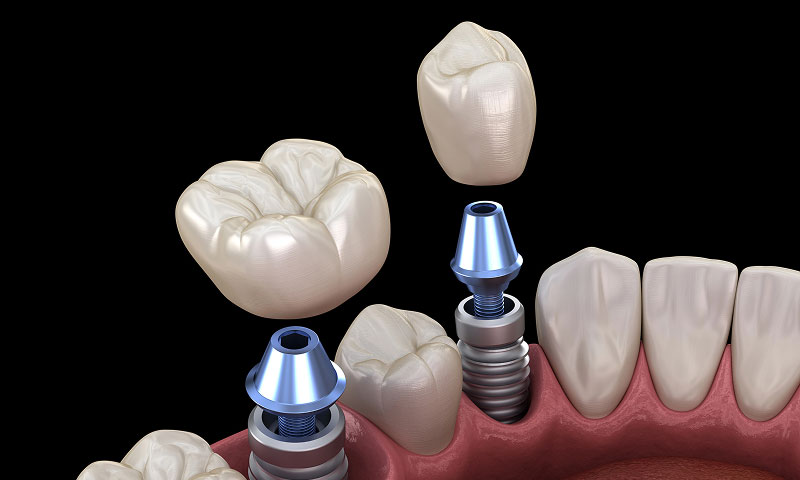 Dental implants don’t develop cavities like natural teeth, but the surrounding gums and bone still need proper care. Inflammation and infection around an implant can affect the tissues supporting it, so consistent maintenance is important.
To care for your dental implants, we recommend:
- Brush twice daily with a soft-bristled toothbrush.
- Clean between your teeth and around your implant restorations every day.
- Use any specialized cleaning tools recommended by your dental team.
- Avoid chewing ice or using your teeth to open packages.
- Don’t smoke or use tobacco products, which can interfere with healing and increase the risk of implant complications.
- Keep up with regular dental exams and professional cleanings.
We’ll help you understand how to care for your restoration and monitor your implant health during routine preventive visits.
Explore Dental Implants in Boise, ID
As a locally owned, female-led dental practice in Boise, we’re proud to provide thoughtful, judgment-free care that puts your needs first. Whether you’re considering a single dental implant or exploring options for multiple missing teeth, our team is here to help you understand what’s possible.
You don’t have to navigate tooth replacement decisions on your own. If you’re interested in learning more about dental implants, contact State Street Dental to schedule a restorative dentistry consultation in Boise, ID. We’ll help you explore your options and take the next step toward a healthier, more complete smile.


