


Sometimes your teeth need a little extra care or repair. If you’re seeking treatment for a cavity, an older filling that needs attention, a tooth that has been damaged, or a few missing teeth that make eating and smiling more difficult, State Street Dental is here to provide care that meets you where you are.
At State Street Dental, we believe restorative dentistry should be about more than repairing teeth. It should help you feel comfortable, confident, and supported throughout the process. As a locally owned dental practice in Boise, we’re committed to getting to know our patients, listening to their concerns, and helping them understand their options without unnecessary pressure or judgment.
What Is Restorative Dentistry?
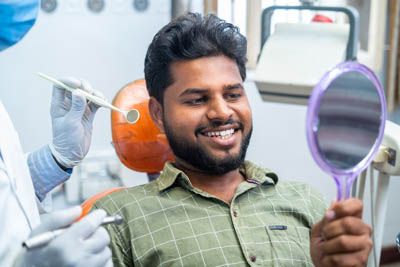 Restorative dentistry focuses on repairing damaged teeth, replacing missing teeth, and helping restore your mouth’s comfort and function. Depending on your needs, treatment may help you chew more comfortably, protect weakened teeth, improve your bite, or feel more confident about your smile.
Our top restorative dentistry services in Boise include:
Dental Crowns
When a tooth is cracked, weakened, badly worn, or too damaged for a filling alone, a dental crown may help restore its strength and shape. A crown fits over the visible portion of the tooth, helping protect it while restoring its appearance and function. Dental crowns can also be used to complete certain restorative treatments, including dental implants, or support a dental bridge.
Tooth-Colored Fillings
Cavities happen, but treating them doesn’t have to mean a noticeable metal filling. Tooth-colored fillings use composite material designed to blend with your natural teeth, allowing us to repair areas of decay while preserving as much healthy tooth structure as possible. During your visit, we’ll remove the decayed portion of the tooth, place the filling material, and shape it to fit comfortably with your bite. Treating a cavity early can minimize damage and stop it from spreading.
Dental Bridges
Missing a tooth can affect more than your smile. It may change how you chew, influence the way nearby teeth shift, or leave you feeling less comfortable speaking or laughing. A dental bridge can replace one or more missing teeth by filling the space with a custom-made replacement tooth. Traditional bridges are typically supported by crowns placed on the teeth next to the gap.
Dental Implants
Dental implants are one option for replacing missing teeth. An implant is placed in the jawbone to act as an artificial tooth root and can support a replacement tooth, a bridge, or a denture.
Implants can offer a stable, natural-looking way to restore your smile, but they’re not the best fit for every situation. Your bone health, gum health, medical history, and overall treatment goals will help us determine if dental implants are right for you.
Implant-Supported Dentures
If you’re missing several or all of your teeth, implant-supported dentures may provide added stability compared with conventional dentures. These restorations connect to dental implants, helping reduce movement during everyday activities like eating and speaking. Depending on your needs and treatment plan, implant-supported dentures may be removable or fixed in place.
Removable Dentures
Dentures can replace several missing teeth or an entire arch, helping restore your ability to eat, speak, and smile more comfortably. Full dentures replace all the teeth in an upper or lower arch, while partial dentures fill gaps when some natural teeth remain.
Getting used to dentures can take time, and comfort matters. We’ll work with you to find an option that fits your needs and discuss adjustments or follow-up care if something doesn’t feel quite right.
Denture Maintenance
Dentures need care, too. Over time, changes in your gums and jaw can affect how dentures fit, even if they once felt comfortable. Loose dentures, sore spots, difficulty chewing, or changes in your bite may be signs that it’s time for an evaluation.
State Street Dental can help assess your dentures and discuss maintenance options, which may include adjustments, relines, or repairs depending on their condition. Regular check-ins can help you maintain a more comfortable fit and identify concerns before they become bigger problems.
Dental Inlays and Onlays
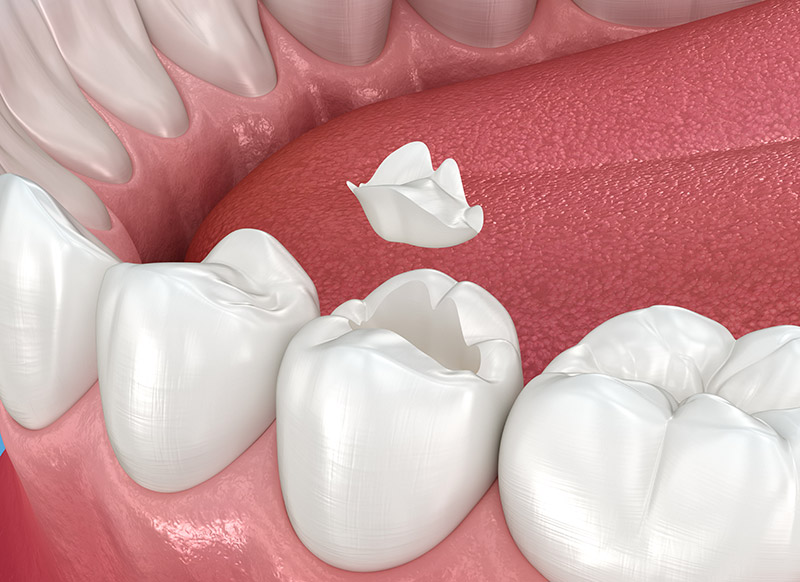 Sometimes a tooth needs more support than a traditional filling can provide, but it may not need a full dental crown. Inlays and onlays can offer a middle-ground restorative option, depending on how much of the tooth is damaged.
An inlay fits within the grooves of a tooth, while an onlay extends over one or more of its raised chewing surfaces. Both are custom-made to restore the affected area while preserving healthy tooth structure whenever possible. We’ll examine the tooth and explain which treatment may provide the support it needs.
Ready to Take the Next Step? Schedule Your Restorative Consultation
State Street Dental is proud to offer a more personal approach to restorative dentistry in Boise, ID, and we’d love to help you feel good about your smile again. For more information on repairing damaged teeth, replacing missing teeth, or exploring options for more comfortable dentures, contact our Boise dental office to schedule a restorative dentistry appointment and start a conversation about your smile.


