


If you have a persistent toothache, tooth sensitivity that won’t go away, or a tooth that has become painful or swollen, you may need more than a filling. Root canal treatment at State Street Dental can help address infection or inflammation inside a tooth while preserving your natural smile.
At State Street Dental, we want dental treatment to feel understandable and manageable. If you’re looking for root canal treatment in Boise, ID, our team will take the time to evaluate your concerns, explain your options, and help you decide on the next step.
What Is a Root Canal?
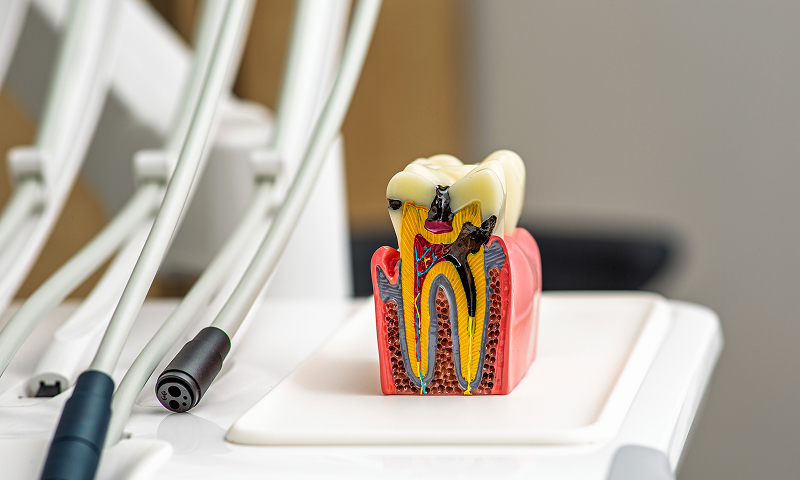 A root canal is a dental procedure that treats infection or inflammation in the soft tissue inside a tooth, known as the pulp. The pulp contains nerves and blood vessels, and it can become damaged by deep decay, a crack, trauma, or repeated dental procedures.
During treatment, the affected pulp is removed, and the inside of the tooth is carefully cleaned, shaped, and sealed. This helps eliminate the source of infection and allows you to keep your natural tooth rather than having it extracted.
Depending on the tooth and how much natural structure remains, a dental crown may be recommended afterward to help protect and restore it.
When Is Root Canal Treatment Needed?
Root canal treatment may be recommended when the pulp inside a tooth becomes infected or irreversibly inflamed. Some common causes include:
- Deep tooth decay. When a cavity reaches the inner pulp, bacteria can cause infection or inflammation.
- A cracked or damaged tooth. A crack or fracture can allow bacteria to reach the pulp, even when the damage isn’t always easy to see.
- Dental trauma. A blow or injury can damage the pulp, sometimes without causing an obvious fracture.
- Persistent tooth pain. Ongoing or spontaneous toothaches may indicate a problem inside the tooth.
- Lingering sensitivity. Sensitivity to hot or cold that continues after the source is removed may be a sign of pulp damage.
- Swelling or infection. Swelling near a tooth, a recurring gum bump, or an abscess may indicate an infection that needs prompt attention.
Not every toothache requires a root canal. Your dentist will examine the tooth and may use dental X-rays or other tests to determine what’s causing your symptoms and which treatment is right for you.
Signs You May Need a Root Canal
Symptoms can vary, and some teeth with pulp damage don’t cause noticeable discomfort at first. However, it’s worth scheduling an evaluation if you experience:
- Persistent or severe tooth pain
- Pain when biting or chewing
- Lingering sensitivity to hot or cold
- Swelling or tenderness around a tooth
- A pimple-like bump on the gums
- Tooth discoloration following an injury
If you have facial swelling, fever, or signs that an infection is spreading, seek prompt dental or medical care. Difficulty breathing or swallowing requires emergency medical attention.
What to Expect During a Root Canal
It’s understandable to feel uncertain about root canal treatment, especially if you’ve never had one. Knowing what happens during the procedure can make it easier to feel prepared.
At State Street Dental, the process will generally include:
- Examining the Tooth. We’ll evaluate your symptoms, examine the affected tooth, and use dental imaging or other tests as needed. Once we understand what’s happening, we’ll explain whether root canal treatment is appropriate.
- Numbing the Area. Local anesthetic is used to help keep you comfortable during treatment. We’ll make sure the area is adequately numb before beginning.
- Cleaning the Inside of the Tooth. A small opening is made in the tooth so the damaged or infected pulp can be removed. The inner canals are then carefully cleaned and shaped.
- Sealing the Tooth. After cleaning, the canals are filled with a dental material and sealed to help prevent bacteria from entering again. A temporary or permanent filling may be used to close the opening.
- Restoring the Tooth. Depending on the tooth’s location and remaining structure, a dental crown may be recommended to protect it from future damage and restore normal function.
Root canals have a reputation for being uncomfortable, but the purpose of treatment is to address the source of tooth pain, not create more of it. Local anesthetic helps keep the area numb during the procedure.
Some tenderness or sensitivity afterward is possible, particularly if the tooth was already inflamed or infected. This typically improves as the area heals. We’ll explain how to care for your tooth and what to expect during recovery.
Caring for Your Tooth After a Root Canal

Your tooth may feel tender for a few days following treatment. To support healing and protect the restoration:
- Follow the aftercare instructions provided by your dental team.
- Avoid chewing hard or sticky foods with the treated tooth until your permanent restoration is in place.
- Brush and floss regularly, taking care around the treated area.
- Attend any recommended follow-up appointments.
A root canal-treated tooth can function for many years with appropriate restoration and consistent oral hygiene. If a dental crown is recommended, completing that step is important for protecting the tooth.
Schedule Your Root Canal Consultation in Boise, ID
You don’t have to ignore a persistent toothache or wait for dental discomfort to get worse. If you’re experiencing symptoms of an infected or damaged tooth, State Street Dental is here to help you understand what’s happening and explore your treatment options.
Contact our Boise dental office to schedule an appointment and learn more about how root canal treatment can benefit your smile.


