

TMJ Treatment in Boise, ID

Jaw pain, clicking, headaches, or discomfort when chewing can make everyday activities more difficult than they should be. If you’re experiencing symptoms of TMJ disorder, State Street Dental is here to help you understand what’s happening and explore options for relief.

Our Boise dental team takes the time to listen to your concerns, evaluate your symptoms, and discuss treatment options based on your needs.

What Is TMJ Disorder?
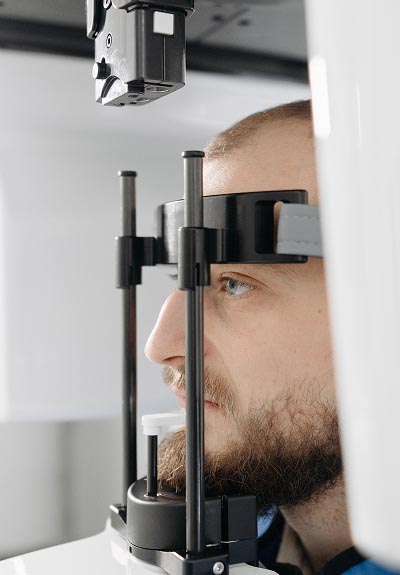
The temporomandibular joints, commonly called TMJs, connect your lower jaw to your skull. These joints help you talk, chew, yawn, and move your jaw comfortably.

TMJ disorder, also called TMD, refers to problems affecting the jaw joints and the muscles surrounding them. Symptoms can range from occasional clicking to persistent pain or difficulty opening and closing your mouth.

Common Signs of TMJ Disorder

TMJ symptoms can vary from person to person. Some common signs include:

  • Jaw pain or tenderness
  • Clicking, popping, or grinding sounds when opening your mouth
  • Frequent headaches or facial discomfort
  • Pain when chewing or speaking
  • Limited jaw movement or difficulty opening your mouth
  • Tension in the jaw, face, neck, or surrounding muscles
  • Teeth grinding or clenching

If these symptoms are interfering with your daily life, a dental evaluation can help determine whether your jaw joints or bite may be contributing to the problem.

TMJ Evaluation and Treatment

At State Street Dental, treatment starts with understanding your symptoms and evaluating your jaw function. During your TMJ exam, we’ll discuss your concerns, review your dental history, and assess your jaw movement, bite, and signs of clenching or grinding.

Depending on your needs, a custom-fitted oral appliance may be recommended to help support your jaw and reduce strain on the surrounding muscles and joints. Your dentist will explain the purpose of the appliance, how to use it, and whether additional evaluation or care may be appropriate.

Find Relief From Jaw Discomfort and TMJ Symptoms in Boise

You don’t have to simply live with ongoing jaw pain, headaches, or discomfort when chewing. State Street Dental is here to help you understand your symptoms and find an approach that supports your comfort and oral health.

Contact our Boise dental office to schedule a TMJ evaluation and take the first step toward the relief you need.

Frequently Asked Questions

TMJ disorder, also called TMD, refers to conditions that affect the temporomandibular joints and the muscles surrounding them. These joints connect your lower jaw to your skull and help you talk, chew, and move your mouth. When they aren't functioning comfortably, you may experience jaw pain, clicking, headaches, or difficulty opening your mouth.

TMJ symptoms can vary, but common signs include jaw pain or tenderness, clicking or popping sounds, headaches, facial discomfort, pain when chewing, and limited jaw movement. Some people also experience tension in their neck or shoulders or notice that they clench their teeth.

TMJ symptoms can have several contributing factors, including teeth grinding or clenching, jaw injuries, arthritis, muscle tension, and problems with how the jaw joints function. Stress may also contribute to clenching and muscle tension. A dental evaluation can help identify potential factors contributing to your symptoms.

A TMJ evaluation typically includes reviewing your symptoms and dental history, examining your jaw movement, checking for tenderness or joint sounds, and evaluating your bite. Depending on your symptoms, additional imaging or evaluation by another healthcare provider may be recommended.

Yes! A dentist can evaluate your jaw joints, bite, and signs of clenching or grinding to help determine whether dental factors may be contributing to your discomfort. Depending on your needs, treatment may include an oral appliance or recommendations for additional care.

A TMJ oral appliance is a custom-fitted device worn in the mouth to help manage certain jaw-related symptoms. Depending on its design, it may help reduce strain on the jaw muscles and joints or protect your teeth from grinding. Your dentist can determine whether an appliance is appropriate for your situation.

TMJ problems can contribute to headaches, particularly around the temples, forehead, or sides of the face. Jaw muscle tension and clenching may also contribute to discomfort. However, headaches can have many causes, so persistent or severe headaches should be evaluated to determine the source.

Some mild TMJ symptoms improve over time, while others may persist or return. The right approach depends on what's contributing to your discomfort. If jaw pain, clicking, or difficulty chewing continues, a dental evaluation with our skilled team at State Street Dental can help you understand your treatment options.

Meet Your New Dentist

A Boise-area dentist with a DMD from Roseman University of Health Sciences and advanced training through an AEGD residency at the University of Cincinnati, Dr. Emily Lear brings real depth of skill to every visit. Her approach centers on the patient—listening closely, easing any nerves, and tailoring care so each person leaves with a healthier, more confident smile.

Mon – Thu:
8 am – 5 pm
Fri – Sun:
Closed
Book Now