


A missing tooth can change the way you eat, speak, and feel about your smile. Even if the gap isn’t immediately noticeable, it can affect your bite and allow neighboring teeth to gradually shift out of position.
A dental bridge offers a way to replace missing teeth and restore a more complete smile. At State Street Dental, we believe tooth replacement should feel personal, comfortable, and centered on your needs. Our Boise dental team will help you understand your options and explore what a dental bridge could do for your smile.
What Is a Dental Bridge?
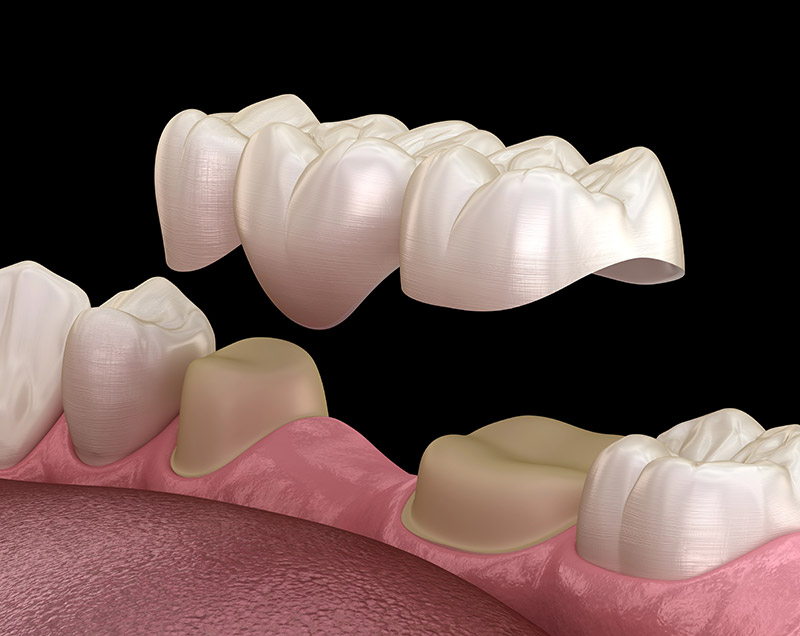 A dental bridge is a custom-made dental restoration designed to replace one or more missing teeth. It fills the space left behind by missing teeth using artificial replacement teeth, called pontics, that are supported by neighboring natural teeth or dental implants.
Traditional dental bridges typically use dental crowns placed over the teeth on either side of the gap to hold the replacement tooth in place. Once secured, the bridge restores the appearance of your smile and helps improve everyday functions like chewing and speaking.
Dental bridges are designed to complement your natural smile, providing a comfortable fit and balanced appearance.
What Are the Benefits of Dental Bridges?
Replacing missing teeth can help support your oral health while making everyday activities more comfortable. Dental bridges offer several potential benefits, including:
- Restore your smile. A custom dental bridge fills the space left by missing teeth, helping create a more complete and balanced appearance.
- Improve chewing function. Missing teeth can make it difficult to chew certain foods. A bridge can help restore some of the function lost when teeth are missing.
- Support clearer speech. Depending on which teeth are missing, gaps can sometimes affect the way you pronounce certain sounds. Replacing those teeth may help improve speech.
- Help prevent neighboring teeth from shifting. When a tooth is missing, surrounding teeth may gradually move into the open space. A dental bridge can help maintain the spacing between teeth.
- Provide a fixed tooth replacement. Unlike removable partial dentures, a traditional dental bridge stays in place and doesn’t need to be taken out for everyday use.
Who Is a Good Candidate for Dental Bridges?
Dental bridges may be a good option for patients who are missing one or more teeth and want a fixed restoration to fill the gap. You may be a candidate for a dental bridge if you:
- Have one or more missing teeth.
- Have healthy teeth or dental implants available to support the bridge.
- Have healthy gums or are willing to address existing gum concerns before treatment.
- Want a fixed alternative to a removable partial denture.
- Have sufficient oral health to support the recommended restoration.
The condition of your neighboring teeth is an important consideration when planning a traditional dental bridge. During your consultation, we’ll examine your smile, discuss your goals, and help determine whether a bridge or another tooth replacement option may be more appropriate.
What Is the Dental Bridge Process?
Getting a dental bridge from State Street Dental typically involves a few appointments to prepare the supporting teeth, create your custom restoration, and ensure everything fits comfortably. The process typically includes:
- Your Initial Consultation. We’ll examine your teeth and gums, evaluate the space left by the missing tooth, and discuss your replacement options.
- Preparing the Supporting Teeth. For a traditional bridge, the neighboring teeth are carefully reshaped to accommodate the supporting crowns. If you’re receiving an implant-supported bridge, the treatment process will be different.
- Creating Your Custom Bridge. Impressions or digital scans are used to create a restoration designed to fit your smile. A temporary restoration may be placed while your permanent bridge is being made.
- Placing Your Permanent Bridge. Once your custom bridge is ready, we’ll check its fit, appearance, and bite before securing it in place.
- Follow-Up and Maintenance. We’ll provide instructions for caring for your new restoration and monitor its condition during routine dental visits.
Our team will walk you through the process so you know what to expect at each stage.
How Long Do Dental Bridges Last?
 Dental bridges can last many years with proper care, although their lifespan depends on the materials used, your oral hygiene habits, and the health of the supporting teeth and gums. Brushing, flossing, avoiding habits that place excessive pressure on your teeth, and attending regular dental visits can help extend the life of your restoration.
During routine preventive exams, our team will check your bridge for signs of wear, damage, or changes in fit. If something needs attention, we’ll help you understand your options.
Restore Your Smile With Dental Bridges in Boise, ID
At State Street Dental, we understand that replacing missing teeth is an important decision. You deserve a dental team that listens to your concerns, explains your options, and helps you feel comfortable throughout the process of restoring your smile.
If you’re missing one or more teeth, a dental bridge may help you feel more comfortable eating, speaking, and smiling again. Contact State Street Dental to schedule a restorative dentistry consultation in Boise, ID. We’d love to help you explore your tooth replacement options and take the next step toward a healthier smile.


