


Need repair for a damaged tooth or a large cavity? A dental crown from State Street Dental can help restore your tooth’s strength, shape, and appearance.
At State Street Dental, we believe getting your smile back on track should feel manageable, not overwhelming. If you’re looking for dental crowns in Boise, ID, we’re here to help you protect your smile and move forward with confidence.
What Is a Dental Crown?
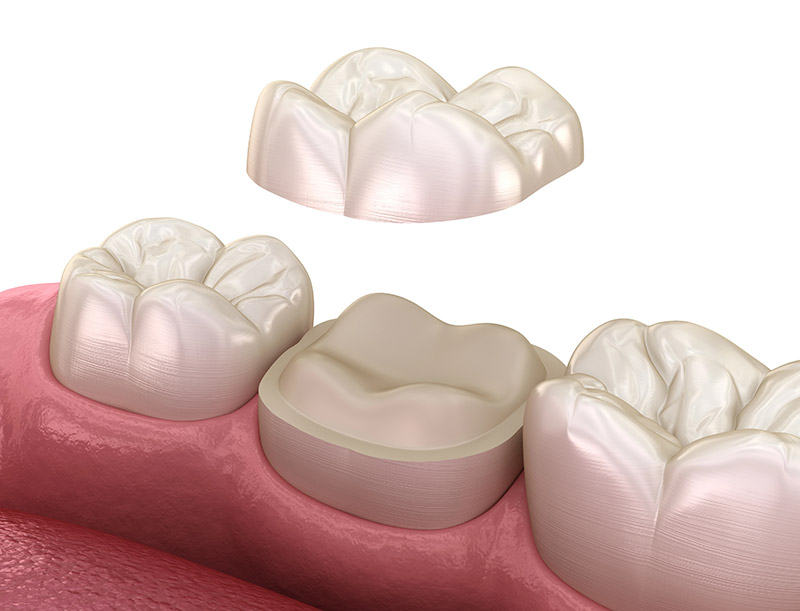 A dental crown is a custom-made restoration that covers the visible portion of a tooth. It helps protect and reinforce a tooth that has been weakened by decay, a fracture, extensive wear, or previous dental treatment.
Crowns are designed to restore the tooth’s shape and function while blending naturally with your smile. Depending on your needs, a crown may also be recommended after a root canal or used as part of a dental bridge or implant restoration.
Our team will examine your tooth and explain whether a crown is the right solution or if another treatment may work just as well.
When is a Dental Crown Needed?
A dental crown may be recommended when a tooth needs more support than a filling can provide. Common reasons include:
- A large cavity. When decay affects too much of the tooth for a filling to adequately restore it.
- A cracked or broken tooth. A crown may help protect a weakened tooth and restore its function.
- A worn-down tooth. Significant wear can affect the tooth’s shape and ability to function comfortably.
- After root canal treatment. Some teeth benefit from a crown to help protect them from further damage.
- An older restoration. A damaged or failing filling or crown may need to be replaced.
- Sealing an implant restoration. Crowns can be used to complete certain treatments involving dental bridges or implants.
What to Expect When Getting a Dental Crown
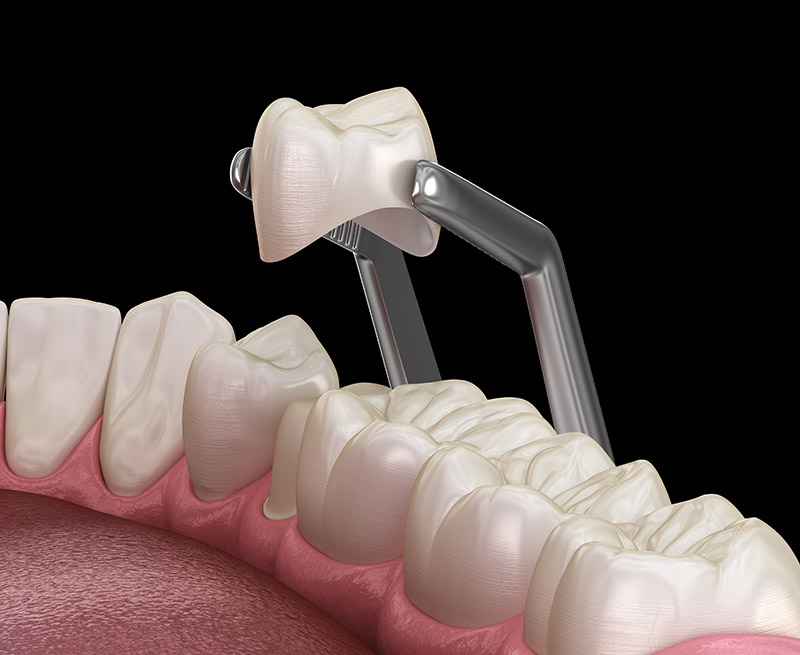 Dental treatment can bring up questions, especially if you’ve never had a crown before. Understanding the process can make the experience feel more comfortable from the start. The dental crown process at State Street Dental will typically include:
1. Examining Your Tooth. We’ll examine the tooth, assess the damage, and determine whether a crown is appropriate. We’ll explain what we find and discuss your treatment options before moving forward.
2. Preparing the Tooth. If a crown is recommended, the tooth is carefully shaped to make room for the restoration. Local anesthetic is typically used to help keep you comfortable during the procedure.
3. Custom-Crafting Your Crown. Your crown will be custom-crafted in a lab, and you’ll receive a temporary crown to maintain your smile until placement of your permanent restoration.
4. Placing Your Crown. Once your crown is ready, we’ll check its fit, appearance, and bite before securing it in place. Our goal is to help your restored tooth feel comfortable and function naturally.
5. Caring for Your Dental Crown. A dental crown needs the same consistent care as your natural teeth. Brush twice a day with fluoride toothpaste, clean between your teeth daily, and keep up with routine preventive visits with State Street Dental.
Crowns can last for many years, although their lifespan depends on factors such as the material, your bite, and your oral hygiene habits.
Schedule a Dental Crown Consultation in Boise, ID
If you have a damaged tooth or have been told your smile needs treatment with a dental crown, State Street Dental is here to help. Contact our Boise dental office to schedule your restorative dentistry consultation today.


